
Blocks Radiant Heat at the Source
Reflective foil and sarking bounce radiant heat away from the roof before it soaks into the structure. This is especially effective under dark roofing materials that absorb heat during the day.
Springvale Roof Insulation
Foil-faced blankets and sarking installed at the roofline under tiles or metal sheeting to cut summer heat gain in Springvale homes.
Share your details and Expert Insulation Melbourne will contact you about Roof Insulation in Springvale.
Roof insulation is installed directly under the roofing material to reflect radiant heat before it enters the living space. In Springvale, where hot northerly winds drive summer temperatures up, this layer at the roofline is the first defence against heat build-up in cathedral or raked ceilings. It works alongside ceiling batts to keep the home cooler without overworking air conditioning.
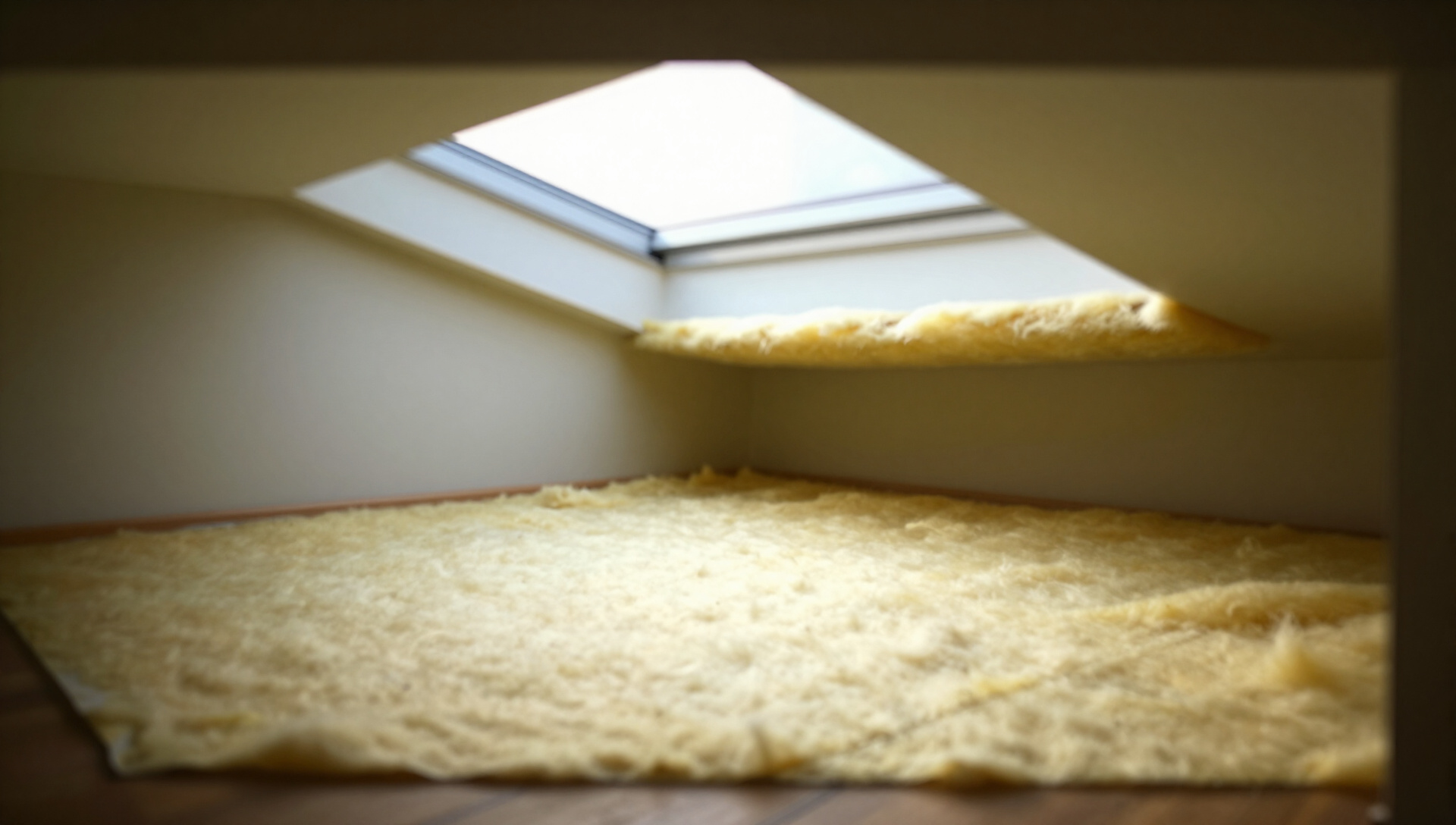
Springvale’s hot dry summers and temperature swings make roof insulation a smart addition to any home. It targets the main entry point for radiant heat, easing the load on cooling systems and improving comfort in open-plan living areas under high ceilings.
Reflective foil and sarking bounce radiant heat away from the roof before it soaks into the structure. This is especially effective under dark roofing materials that absorb heat during the day.
Homes with exposed rafters or high ceilings have no roof space to hold ceiling batts. Roof insulation installed directly under the roofing provides the thermal barrier these designs need.
By cutting heat gain through the roof, your cooling system runs less often and uses less energy. This is noticeable in Springvale’s heatwaves when outdoor temperatures spike.
Roof insulation does not replace ceiling batts. It adds another layer of protection, so heat that does pass through is still slowed by the bulk insulation in the ceiling joists.
Foil laminates like sisalation also act as a vapour barrier, reducing condensation in the roof space and keeping ceiling dust from drifting into living areas.
Reflective materials do not compress or degrade like some bulk products. Once installed, they maintain their thermal resistance for the life of the roof.
Installing roof insulation requires access to the roofline and careful placement to maintain an air gap for reflectivity. The process is tailored to the roof type and existing structure.
The first step is to inspect the roof space and confirm access. For new builds or re-roofing, the foil or sarking is laid before the roofing goes on. For existing roofs, access through the roof space or from above may be needed.
Foil-faced blankets or sarking are measured to fit between rafters or under battens. Overlaps are sealed with foil tape to maintain a continuous reflective surface and vapour barrier.
The material is fixed to the rafters or roof timbers with staples or battens, ensuring it stays in place and maintains the required air gap for maximum reflectivity.
If ceiling batts are present, the roof insulation is installed above them. For homes without ceiling insulation, this step can be combined with adding bulk insulation between the ceiling joists.
Springvale has a mix of older brick homes and newer builds, many with colourbond or tiled roofs that absorb heat. Roof insulation is particularly effective here because it stops that heat from transferring into the home. For houses near the Dandenong Creek or in exposed areas, the extra protection against radiant heat makes a noticeable difference to indoor comfort.
Reflective foil and sarking installed under roofing to cut summer heat gain in Springvale homes.
Homeowners in Springvale often ask about the practicalities of roof insulation, from suitability to installation details.
Roof insulation in Springvale targets the main source of summer heat gain: the roofline. By installing reflective foil or sarking directly under tiles or metal sheeting, you block radiant heat before it enters the home. This is especially valuable in Springvale, where hot northerly winds and heatwaves push outdoor temperatures high, and dark roofing materials absorb and transfer heat into living spaces.
Cathedral and raked ceilings have no roof space for traditional ceiling batts, so roof insulation becomes the primary thermal barrier. Even in standard homes, adding a reflective layer at the roofline complements existing bulk insulation in the ceiling joists. The combination reduces heat flow into the home, eases the load on air conditioning and lowers energy costs during Springvale’s hottest months.
The installation process depends on roof access and type. For new roofs or re-roofing, foil or sarking is laid before the roofing goes on. For existing roofs, installers work from the roof space or above, securing the material to rafters with staples or battens while maintaining an air gap for reflectivity. The job typically takes a day, with minimal disruption to the household.
Reduce summer heat gain through your roof with reflective foil or sarking installed by Expert Insulation Melbourne. Call 0399695249 or email info@expertinsulationmelbourne. com. au for a quote.